Latest Trendsetters ... What's Your Phone Style ... Whose Phone Is It Anyway ... Take Your Phone Personally ... Socially Correct On The Go ... Phone Shopping Tips & Tools ... Are We Having Fun Yet ... About This Web Site ...
Subscribe To This Site's Feed
Cell Phone Batteries & Chargers
Cell phone batteries have come a long way - extended talk time, more standby time, light weight, smaller footprint and longer life. But batteries have a long way to go yet, to keep up with the growing power demands of today's multi-purpose mobile phones. [MORE...]
Duracell is evolving its brand name with Smart Power solutions to help address the changing needs for efficient and reliable power on devices such as cell phones. Designed to make charging simpler, create new ways to take extra power with you, and maximize power efficiency, Smart Power aims to take batteries to the next level.
If young Brazilian inventor Joao Lammoglia has his way, taking a nap or a little siesta might become fashionable again and great for your cell phone batteries. He has developed a phone charger that converts your breath into energy for your mobile phone.
Winner of a 2011 Best of the best Red Dot Award for design concept in energy, the AIRE mask concept charger contains tiny wind turbines that convert your breath into electrical energy which is then transferred through a cable connected to your cell phone.
While you are sleeping, running, walking or reading a book, the AIRE mask could be saving on your electric bill, and it's environmentally good for the planet too.
Some backpacks now come with a built-in solar charger for cell phones and other handheld electronics. Using available sunshine, your mobile device battery gets charged while you are out and about, or just sitting around mulling over your newly acquired golfing tips.
What do consumers want most from future all-in-one phones? According to research by TNS, over 75 percent of mobile phone and PDA users in the U.S. rate "two-days of battery life during active use" as the most important feature.
To promote the safe use of cell phones, batteries and chargers, the U.S. Consumer Product Safety Commission (CPSC) and CTIA-The Wireless Association, the trade organization representing various facets of the wireless industry, recommend these practices.
Two important tips to keep in mind. First, cell phone batteries are not inexpensive. In fact the cost of purchasing a new battery can be more than the cost of a brand new cell phone.
Duracell is evolving its brand name with Smart Power solutions to help address the changing needs for efficient and reliable power on devices such as cell phones. Designed to make charging simpler, create new ways to take extra power with you, and maximize power efficiency, Smart Power aims to take batteries to the next level with its new products.
myGrid Charging Pad - simultaneously charges multiple devices, including cell phones.
Some backpacks now come with a built-in solar charger for cell phones and other handheld electronics. Using available sunshine, your mobile device battery gets charged while you are out and about, or just sitting around mulling over your newly acquired golfing tips.
What do consumers want most from future all-in-one phones? According to research by TNS, over 75 percent of mobile phone and PDA users in the U.S. rate "two-days of battery life during active use" as the most important feature.
The cell phone trend study, conducted in 15 countries during July and August 2005, was undertaken to uncover what would drive consumer demand for mobile devices in the future, as well as benchmark brand performance and use of existing PDA, laptop, and mobile phone applications.
According to the study, after battery life, the next most important features to U.S. users were high-resolution camera and video camera (50 percent of respondents); the availability of full versions of Microsoft Office applications on the device (42 percent); and a device with 20 Gigabytes of memory (41 percent).
To promote the safe use of cell phones, batteries and chargers, the U.S. Consumer Product Safety Commission (CPSC) and CTIA-The Wireless Association, the trade organization representing various facets of the wireless industry, recommend the following:
Do not use incompatible cell phone batteries and chargers. Purchase manufacturer- or carrier-recommended products and accessories. If unsure about whether a replacement battery or charger is compatible, contact the manufacturer of the battery or charger.
Do not permit a battery out of the phone to come in contact with metal objects, such as coins, keys or jewelry.
Do not crush, puncture or put a high degree of pressure on the battery as this can cause an internal short-circuit, resulting in overheating.
Avoid dropping the cell phone [not even rugged cell phones]. Dropping it, especially on a hard surface, can potentially cause damage to the phone and battery. If you suspect damage to the phone or battery, take it to a service center for inspection.
Do not place the phone in areas that may get very hot, such as on or near a cooking surface, cooking appliance, iron, or radiator.
Do not get your phone or battery wet. Even though they will dry and appear to operate normally, the circuitry could slowly corrode and pose a safety hazard.
Follow usage, storage and charging guidelines for cell phone batteries as indicated in the user's guide.
Lithium-ion (Li-Ion) batteries, commonly found in the latest cellular phones, are more sensitive to physical stress than alkaline batteries found in toys and flashlights and need to be treated with more care.
Two important tips to keep in mind. First, cell phone batteries are not inexpensive. In fact the cost of purchasing a new battery can be more than the cost of a brand new cell phone, when you consider the potential free phone offers and rebate programs. Check out Free Phones or see the Free Zone section of this site.
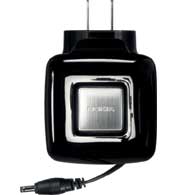
Secondly, be sure to match replacement cell phone batteries and chargers to your specific phone make and model. Look for Internet sites that let you search for mobile phone batteries and chargers by manufacturer and model.




















































![AIRE Concept Phone Charger [Photo: Courtesy of joaolammoglia.com]](http://www.info4cellphones.com/images/aire_mask.jpg)
